Independent Dressing Made Simple
Sock and Shoe Safety
Sock and Shoe Safety
Sock and Shoe Safety
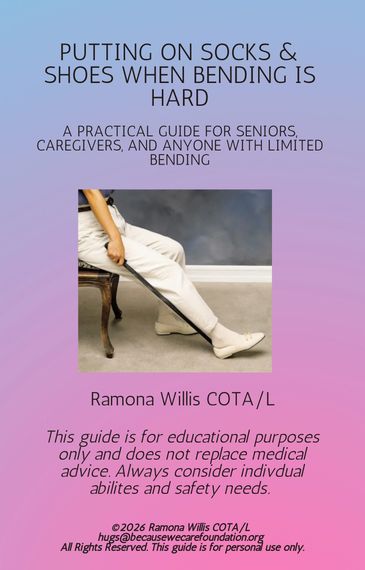
Whether you're recovering from surgery, managing balance concerns, or experiencing the natural changes that come with aging, putting on shoes and socks shouldn’t feel like a daily struggle or safety risk. This guide provides practical solutions, adaptive tools, and safe footwear options designed to help you maintain your independence while reducing the risk of falls.
Lower Body Dressing
Sock and Shoe Safety
Sock and Shoe Safety
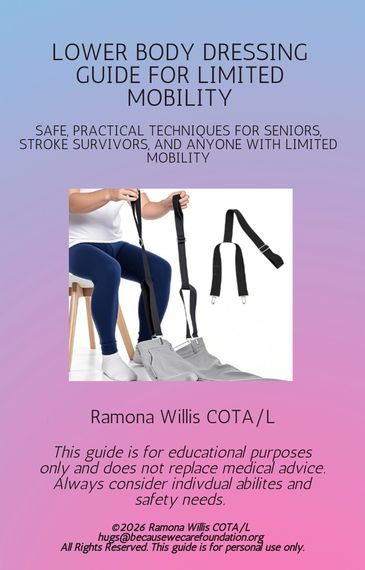
A compassionate, easy-to-follow guide that teaches safe lower body dressing techniques for seniors, stroke survivors, and anyone with limited lower-body mobility. Learn step-by-step strategies, adaptive equipment tips, fall-prevention methods, and energy-saving techniques that protect dignity while restoring independence.
Upper Body Dressing
Sock and Shoe Safety
Upper Body Dressing
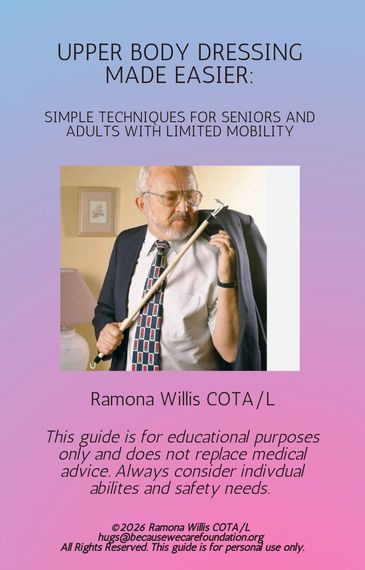
Upper-body dressing challenges are common after surgery, injury, or with limited shoulder movement. This quick guide shares simple concepts and helpful strategies to make dressing easier—without overwhelming you.
Bathroom Safety Made Simple

Toileting Techniques
Do it Yourself Personal Care
Toileting Techniques
Toileting can become challenging with mobility or balance changes, but it does not have to mean losing independence. This guide offers practical tips and simple strategies to make bathroom routines safer, easier, and more comfortable while supporting dignity and confidence.
Showering Simplified
Do it Yourself Personal Care
Toileting Techniques
For many seniors and individuals with limited mobility, balance issues, weakness on one side, back pain, or recovery from stroke, bathing can become one of the most dangerous daily activities. Slippery surfaces, poor setup, and lack of proper equipment increase the risk of falls and injury.
Do it Yourself Personal Care
Do it Yourself Personal Care
Do it Yourself Personal Care
Taking care of yourself each day builds confidence, dignity, and independence. This guide offers gentle, easy-to-follow support to help make personal care routines safer, simpler, and more manageable at home.
Bathroom Safety
Do it Yourself Personal Care
Do it Yourself Personal Care
The bathroom is one of the most common places for falls. This guide provides simple safety tips and practical solutions to help reduce risks and promote independence at home.
Being Independent in the Kitchen
Cooking Techniques
One Handed Cooking Techniques
For seniors, stroke survivors, individuals with arthritis, injuries, or limited mobility, preparing meals can become difficult and sometimes unsafe. But with the right tools and techniques, cooking can remain an enjoyable and independent part of daily life.
One Handed Cooking Techniques
One Handed Cooking Techniques
Cooking shouldn’t be a struggle—even if you only have use of one hand. One-Hand Cooking Techniques is a practical guide designed for anyone facing limited hand mobility, post-stroke challenges, injuries, or other conditions that make traditional cooking difficult.
Being Safe in the Kitchen
Being Safe in the Kitchen
Cooking can still be safe, enjoyable, and empowering after a stroke or for anyone. With the right strategies and a few simple adjustments, stroke survivors can continue preparing meals while protecting their safety and independence.